

tinted tempered glass
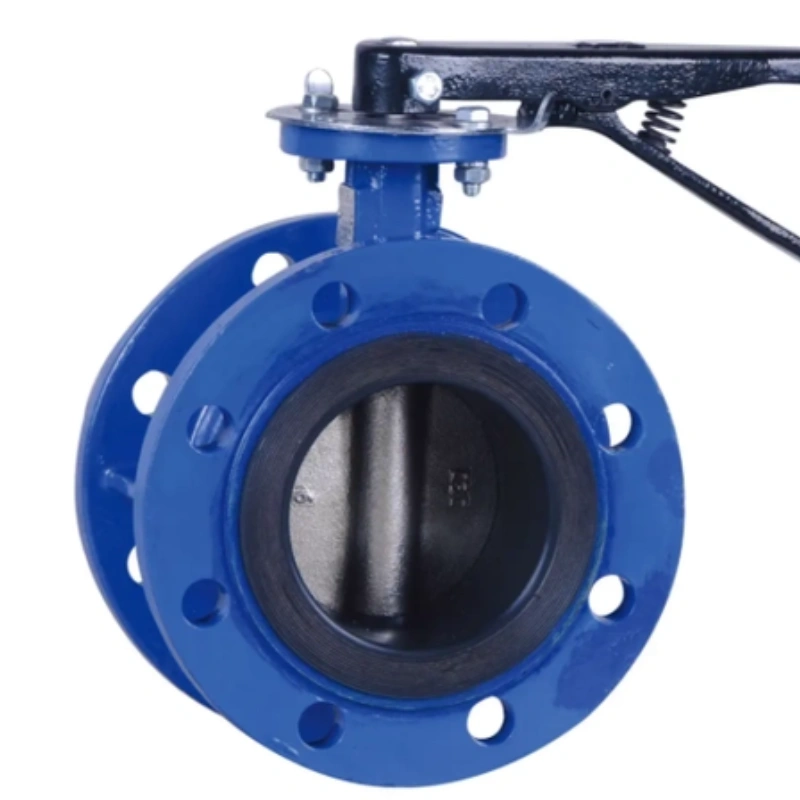
The 300% Gate Valve A Pivotal Component in Industrial Flow Control In the realm of industrial fluid control systems, the 300% gate valve stands as an essential component, embodying robustness, reliability, and precision. This type of valve, often referred to as a throttle valve, plays a critical role in managing and regulating fluid flow in various applications where high pressure and temperature conditions prevail. A gate valve, fundamentally, operates on a simple mechanism that allows or obstructs fluid flow by lifting or lowering a disc, or gate, within the valve body. The term 300% in this context refers to the valve's rating, denoting its ability to handle three times the rated pressure without any compromise in functionality or safety. It signifies exceptional durability and resilience, making it suitable for high-pressure services such as oil and gas pipelines, power generation plants, and chemical processing facilities. The 300% gate valve's design is characterized by a full-bore configuration, ensuring minimal flow resistance and preventing turbulence, thus reducing wear and tear. Its sturdy construction, typically with materials like stainless steel or carbon steel, endows it with the capacity to withstand extreme temperatures and pressures, ensuring a long service life. The valve's sealing mechanism, usually a metal-to-metal seat, guarantees leak-tight performance even under harsh conditions. One of the key advantages of the 300% gate valve is its linear motion. Unlike other valves that require rotation, the gate valve opens and closes in a linear path, allowing for precise control over flow rate. This feature makes it ideal for on/off applications where complete closure is necessary to prevent fluid leakage This feature makes it ideal for on/off applications where complete closure is necessary to prevent fluid leakage This feature makes it ideal for on/off applications where complete closure is necessary to prevent fluid leakage This feature makes it ideal for on/off applications where complete closure is necessary to prevent fluid leakage 300 gate valve . Moreover, the 300% gate valve is designed for low maintenance. Its simple design minimizes the likelihood of internal components getting stuck or damaged, reducing the need for frequent repairs or replacements. However, regular inspection and maintenance are still crucial to ensure optimal performance and prevent unforeseen issues. Despite its numerous benefits, the 300% gate valve, like any engineering component, comes with its limitations. It may not be the best choice for applications requiring throttling or fine flow control, as it is primarily designed for full-open or full-closed operations. Additionally, due to its larger size and weight, installation and handling can be more challenging compared to other valve types. In conclusion, the 300% gate valve is a testament to engineering prowess and innovation, designed to tackle the most demanding fluid control scenarios. Its robust build, high-pressure tolerance, and straightforward operation make it a staple in industries where reliability and efficiency are paramount. Despite its potential drawbacks, the 300% gate valve continues to be a trusted workhorse in the world of industrial flow control, playing a vital role in ensuring smooth and safe operations.
about
tinted tempered glass
Understanding the 24 x 36 Surface Plate Importance and Applications In the realm of manufacturing and precision engineering, the surface plate serves as a fundamental tool for establishing a flat reference surface. A surface plate that measures 24 inches by 36 inches is a common size that strikes a balance between usability and versatility, making it an essential asset in various industries. This article delves into the significance, characteristics, and applications of the 24 x 36 surface plate. What is a Surface Plate? A surface plate is a flat, solid plate made from materials such as granite, cast iron, or steel, meticulously machined to achieve a high degree of flatness. The primary purpose of a surface plate is to provide a reliable base for measuring, testing, and inspecting the flatness of components, tools, or fixtures. Precision is paramount in manufacturing, and the surface plate aids in ensuring that products conform to specified tolerances. Importance of Flatness Flatness is a vital aspect of precision measurements in engineering. An uneven surface can lead to inaccuracies, which may cause catastrophic failures in manufactured products . With a 24 x 36 surface plate, engineers and technicians can perform measurements that are critical to ensuring the quality and reliability of parts. This surface eliminates variables in measurement by providing a stable reference that minimizes the risk of distortion and provides a consistent measuring environment. Key Characteristics 1. Material Most surface plates are made from granite or cast iron, with granite being favored for its resistance to wear and thermal stability. A granite surface plate is non-porous, which means it will not absorb liquids that could lead to corrosion or other forms of damage. 2. Surface Hardness A high level of hardness is essential to prevent wear during prolonged usage. Granite plates typically have a hardness rating of around 6-7 on the Mohs scale, which makes them ideal for heavy-duty applications. 3. Flatness Tolerance The flatness of a surface plate is meticulously measured and often rated according to industry standards. A precision surface plate should maintain a flatness tolerance of 0.0001 inches or better, depending on its classification. 24 x 36 surface plate 4. Size and Portability The 24 x 36 dimensions make this surface plate suitable for a variety of tasks without occupying too much workspace. Its manageable size allows for ease of transport and usage in different settings, from small workshops to larger manufacturing facilities. Applications The versatility of the 24 x 36 surface plate makes it suitable for numerous applications, including - Inspection and Measurement It serves as a primary tool for gauging the flatness of machined parts, ensuring they meet the necessary specifications before assembly. - Assembly Fixture Engineers can use the surface plate as a staging area for precision assembly, allowing them to align and fit components accurately without distortions that could arise from less stable surfaces. - Tool Calibration Precision measuring instruments, such as calipers and micrometers, can be calibrated against the surface plate, confirming their accuracy. - Manufacturing Setup In CNC machining and other automated processes, the surface plate can assist in setting up and leveling machinery, ensuring that operations proceed without unexpected deviations. Conclusion The 24 x 36 surface plate is an indispensable tool for ensuring precision in manufacturing and engineering fields. Its ability to provide an accurate reference surface cannot be overstated; it underpins vital processes from inspection to assembly and calibration. As industries continue to demand higher precision and quality, the role of surface plates in achieving these objectives will remain significant. Investing in a high-quality surface plate is a decision that pays dividends in accuracy, reliability, and ultimately, product quality.
-

High quality industrial productsagement

High quality industrial products
View Details -

Meet the diverse needs of customers

Meet the diverse needs of customers
View Details -

Strict quality control

Strict quality control
View Details -

Top raw materials

Top raw materials
View Details -

Trusted supplier

Trusted supplier
View Details
Our application

news and information

Y Strainer Buhar Tuzağı Performansı ve Kullanım Alanları Hakkında Bilgi
Y Strainer ve Buhar Tuzakları Verimli Endüstriyel İşlemler için Kritik Bileşenler Endüstriyel tesisl
vibration mounting pad
The Importance of Vibration Mounting Pads in Industry In today's fast-paced industrial environment,

Versatile Applications of Magnetic V Blocks in Precision Machining and Setup
The Versatile Uses of Magnetic V Blocks in Precision Engineering Magnetic V blocks are essential too
 English